
GIPFELTREFFEN #2 CONCLUSION
10. November 2015
1. IN SHORT….
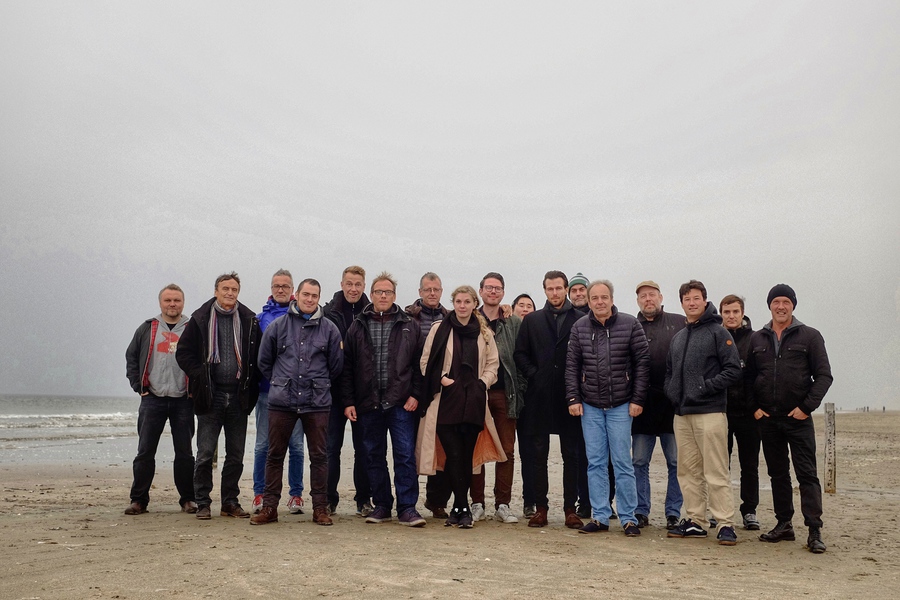
On 28 and 29 October 2015, the 2nd edition of Gipfeltreffen gathered 20 leaders from the Danish and German music industries for a 2-day summit at Schackenborg Slotskro in Møgeltønder, at the Danish-German border.
The 20 delegates thus spent 48 hours discussing the state of current partnerships between the 2 European music industries:
In general the second Gipfeltreffen reached a similar overall conclusion when compared to the first. Namely that there is a strong shared sentiment that the German-Danish cooperation makes sense as the quality of Danish music is very high thereby constituting an attractive import for the German music industry, both for exploitation in Germany and other international markets. In general it was however also highlighted that this is mostly a 1-way cooperation, i.e. Danes exporting to Germany - not the other way around, due to the obvious difference in market size and potential.
Here’s a recap of the key observations made on Danish-German music industry relations during Gipfeltreffen #2,
2. THE DANISH POINT OF VIEW ON COOPERATING WITH GERMANY
2.1 THE STRENGTHS & OPPORTUNITIES OF THE GERMAN COOPERATION
- Germany is a very attractive market, being the world’s 3rd largest music market.
- It’s actually easier to export to Germany than to the Scandinavian neighbors (Norway, Sweden, etc.)
- Germany has become quite a sexy market during the last years in wake of the cool and culture-driven Berlin hype
- There is a strong intercultural match between Danes and Germans making it easy, pleasant, honest and efficient to cooperate
- Working across the border is logistically perfect as Germany is a direct neighbor, making it both easy and cost efficient to send bands on tour, head down for personal planning meetings, etc.
- Germany boasts great niche scenes and sub-markets, making it very attractive for Danes representing niche genres such as metal, punk and noise-rock as there is actually a market to exploit compared to what can be done in Denmark business-wise
- The German concerts audiences are in general amazing, being both respectful and good listeners
2.2 THE WEAKNESSES & CHALLENGES OF THE GERMAN COOPERATION
- The market differences are quite significant making it difficult to plan your German ventures based on your Danish market knowhow. Factors such as the regionally fragmented public radio landscape, that physical is still an important recorded product, tax issues and the local promoter dynamics in the live sector were highlighted as real planning barriers
- Difficult to identify the right networks & partners when starting up. Due to the massive size of the German and music industry it is very challenging to identify the right partners, not to mention finding the ones that are truly motivated by your product. The sentiment that Germany is not very transparent when seen from the “outside” was raised several times. It can therefore at times be difficult to assess essentials such as whether a cooperation opportunity is really a good one or not
- There is to some extend a language barrier as most Danes and Germans need to communicate in English, which is not mother-tongue for any of the two parties. This factor can make it more attractive to seek out English partners (for example internationally operating London-based agents in the live industry)
- Danish managers tend to be quite inexperienced when it comes to working in Germany compared to other markers such as the UK
- It’s difficult to actually make a real profit on the German market, even when one has a lot going on with strong partners, media support, etc. Factors such as high costs levels, the competition and market fragmentation were highlighted as drivers behind this market dynamic
- Sometimes the Danes miss a bit more spontaneity from their German partners. It’s difficult to quickly implement a “spontaneous idea or gimmick” once a campaign is up and running
- The Germans need to be willing to invest in developing their Danish ventures. In the rare cases where German professionals decide to try and develop their artists in Denmark, they are often shocked by the high PR costs in relation to the market size, and thus refrain from taking the necessary steps. However PR is a must as you otherwise won’t get much support. The publicly funded Danish venues are for example not hungry enough to do proper PR work for the shows of new international acts, etc.
3. THE GERMAN POINT OF VIEW ON COOPERATING WITH DENMARK
3.1 THE STRENGTHS & OPPORTUNITIES OF THE DANISH COOPERATION
- Although this sentiment did stimulate a “it’s not about origin but the music”-debate the overall German consensus was that Danish bands are sexy image-wise, compared to say Italian bands, making it attractive to develop new Danish talent in Germany, and easier for Danish bands to at least be listened to and considered when reaching out to potential new German partners
- On a musicianship-level the quality, education and professionalism of Danish artists is moreover very high
- Danish and Scandinavian bands have a strong international sound and the vocals and English skills are a real asset in this regards compared to other European artists
- The German and Danish cultures are compatible and similar, which facilitates and makes cooperation pleasant and productive. In fact some northern Germans even felt closer to the mindsets of their Danish colleagues compared to say other Germans such as the Bavarians
- The Danes are very loyal partners once you have a good thing going
- It’s a very positive thing that Denmark has a well-functioning export office. The fact that the bands actually get tour funding and support for investing in promo is a real argument for taking on and trying to work with a new Danish acts
- In general the German professionals appreciate the realistic expectations of Danish professionals when it comes to sales forecasting, etc. The English and Americans could learn a thing or two from this
- Danish bands frequently go on tour in Germany making it easier to successfully develop their promo and recorded ventures on the market. This is for example often a problem with acts from other countries such as the currently hyped Australian bands that are logistically too far away, or the US/UK bands that simply don’t have as much time and interest in touring in Germany
- The Danes are in general tech savvy, which is great for pushing the digital business agenda
- The Danes are skilled at producing attractive PR assets such as press pictures, videos, etc., which is an asset for the promo
- The Danish live market is both relevant and attractive when having bands on tour in Germany as they might just as well do a couple of shows in Denmark once they reach northern German cities such as Hamburg. The live fees also seem to be quite attractive compared to German standards
3.2 THE WEAKNESSES & CHALLENGES OF THE DANISH COOPERATION
- A call for international planning from step 1 was made as Danish professionals have a tendency to start with only planning for their domestic markets (release- and tour-wise) while still releasing digitally worldwide at the same time as they make that domestic release. This often causes quite a headache for the German partner when trying to properly release and market the Danish band in question 6 months later, as the release is “already out there”, which for example takes away from the news value press wise, etc. Factors such as a lack of international experience and the difficulty related to building trust with artists and professionals coming from the very healthy and compact Danish music industry eco-system were speculated to be factors behind this challenge
- It’s difficult to make money with Danish bands, in spite of the often healthy media and tastemaker support the hype rarely transcends into serious commercial success
- The international sound of the Danish bands can sometimes also work against Danish music export to Germany, as the acts go US/UK-pop too early, which takes away the credibility and market potential of the acts. A comment was made that niche sounds in comparison tend to be easier to export
- A general timing problem for the promo part of working with Danish music is that the Nordic pros often work with a timeline that’s too tight. Germany is moving towards a market dynamic where a 12 month build-up will become the ideal promo and marketing point of departure. Fact is however that the release timeline for planning releases, touring and PR, is often way off this mark when working with the Danes. In fact the German partners often just have 2 months to work with. With regards to this a 4 month build-up should be the minimum
- The Danes need to include physical product planning when releasing in Germany as the market radio is still 70% physical vs. 30% digital in Germany
- The Danish artists and professionals need to be willing to invest in developing their careers in Germany. It’s for example often a problem for the German booking agents that there is a lack of PR support around new bands because the necessary PR agency and marketing investments are not being made. This makes it hard to make the first tours work
- The Danes often forget the simple tricks for increasing sales and building up their German fan base when developing their careers in Germany. For example calls were made for Danish artists to remember to play in the smaller German cities and not just head over to the big media cities such as Berlin, and that they should remember to invite distributors and important local music stores to their showcases (“if the guy in the store loves you, he will help you sell more CD’s”)
- A call for tighter coordination when developing your German ventures was also made. For example remember to feed the German booking agent with the German PR results, provide all the facts when you contact new German cooperation targets regarding cooperation opportunities (for example how many German soundcloud plays have you got, how many German social media followers, etc.)
- It’s a Publishing challenge that Danish artists seem to be married to KODA, which makes them reluctant to make international publishing deals in spite of the many obvious benefits related to having a publisher onboard. Communication between the collecting societies like GEMA and KODA often lead to serious delays when it comes to the distribution of royalties. Furthermore there is a need to control statements and accountings with local data. Just relying on the work of the societies will result in missing royalties for example for live performances, broadcasting and digital
- In general it’s difficult to get into the Danish market and get motivated Danish partners onboard, when it comes to developing German bands in Denmark
- Recorded music export to Denmark is not that attractive as the market is so small, and also very domestic when looking at the very dominant market position of local repertoire
4. THE PARTICIPANTS OF GIPFELTREFFEN #2
|
Name |
Function |
Company |
Country |
|
Carsten Stricker |
CEO |
Verstärker / Shoot Music Germany |
DE |
|
Christian Holl Buhl |
Managing Partner |
FACTORY 92 |
DK/DE |
|
Daniel Aude |
MD |
Over & Aude |
DK |
|
Fredrik Nedelmann |
General Management |
Freibank |
DE |
|
Gunnar K. Madsen |
MD |
SPOT Festival |
DK |
|
Jesper Mardahl |
MD |
Promus |
DK |
|
Mads Ravnsbæk Sørensen |
Head of Management |
SmashBangPow |
DK |
|
Manuel Schottmüller |
CEO |
Emerged Agency |
DE |
|
Matthias Böttcher |
Sales Director & repertoire development |
Rough Trade / Good to Go |
DE |
|
Michael Löffler |
CEO |
Target Concerts |
DE |
|
Olaf Reinholz |
General Manager |
SEN Music |
DE |
|
Signe Tobiassen |
CEO |
Like A Can Of Beans |
DK |
|
Thomas Bredahl |
Partner |
Heartbeat |
DK |
|
Thomas Lassen |
Senior Agent |
Skandinavian |
DK |
|
Thomas Rohde |
MD |
MXD |
DK |
|
Thor Jonsson |
COO |
Crunchy Frog |
DK |
|
Tobias Lampe |
Owner / MD |
hfn music |
DE |
|
Tom Jensen |
MD |
DME |
DK |
|
Torsten Mewes |
Head of artist and label services |
Believe Digital |
DE |
|
Volker May |
Chair / MD |
IMMF / FZW |
DE |
Gipfeltreffen #2 is a project initiative conceptualized, executed and supported by: MXD, ROSA, Promus, Kultur Styrelsen & FACTORY 92
 Druckversion